

In today’s digital economy, selling online courses is one of the most powerful ways to transform knowledge into a sustainable business. With the right strategy, we can build a profitable online education empire that generates recurring revenue, scales globally, and positions us as thought leaders in our industries. Below, we break down every essential step to help you master how to sell online courses successfully — from idea validation to marketing and scaling.
Why Selling Online Courses Is a Profitable Business Model
The online education industry continues to expand at a rapid pace. By creating a course, we unlock opportunities to:
- Generate passive income by selling content repeatedly without significant additional costs.
- Build authority and credibility within our niche by positioning ourselves as experts.
- Scale globally with no geographical restrictions. A single course can reach learners across the world.
- Diversify revenue streams by offering tiered pricing, memberships, coaching, or bundled resources.
Step 1: Choosing a Profitable Course Topic
The foundation of a successful course lies in selecting the right topic. A profitable course topic is the intersection of three elements:
- Expertise — What skills, knowledge, or experiences do we have that others find valuable?
- Passion — What topics do we enjoy teaching that keep us motivated to deliver consistent value?
- Market Demand — What are learners actively searching for, struggling with, or willing to pay to solve?
We should conduct keyword research, study competitor courses, and analyze communities (forums, social media, LinkedIn groups) to identify gaps in the market.

Step 2: Validating the Course Idea
Before creating a full course, we must validate demand. This ensures we do not invest months building something no one buys. Validation strategies include:
- Conducting surveys or polls to understand what potential students want.
- Hosting a free webinar or mini-course to test engagement and interest.
- Offering pre-orders or early-bird pricing to gauge willingness to pay.
- Analyzing competitor reviews to spot what learners feel is missing in existing courses.
By validating first, we reduce risk and build a course that directly meets learner needs.
Step 3: Designing High-Quality Course Content
Creating a course is not just about sharing information — it’s about structuring knowledge in a way that transforms learners. A well-designed course includes:
- Modular lessons broken down into digestible sections.
- High-quality video production with clear audio, lighting, and visuals.
- Interactive learning elements like quizzes, assignments, and case studies.
- Supporting materials such as templates, workbooks, and cheat sheets.
- Community access where learners can ask questions and collaborate.
The key is to create engaging, results-driven content that ensures students complete the course and achieve outcomes.
Step 4: Choosing the Best Online Course Platform
The platform we choose directly affects how we deliver, market, and sell our courses. There are three main types of platforms:
- All-in-One Platforms (e.g., LearnWorlds, Kajabi, Teachable, Thinkific)
- Provide hosting, payment processing, course creation, and marketing tools in one.
- Best for those wanting simplicity and scalability.
2. Learning Marketplaces (e.g., Udemy, Skillshare)
- Offer built-in audiences but with limited control over pricing and branding.
- Best for beginners seeking exposure.
3. Self-Hosted Solutions (e.g., WordPress + LMS plug-ins)
- Provide complete control and customization.
- Best for businesses wanting a fully branded experience.
For most creators, all-in-one platforms strike the perfect balance of control and convenience.
Step 5: Pricing Strategies for Maximum Profitability
The pricing model determines how revenue flows. Popular strategies include:
- One-Time Payment — A single fee for lifetime access.
- Subscription / Membership — Recurring payments for access to multiple courses or continuous updates.
- Tiered Pricing — Offering different levels (basic, advanced, premium) with increasing value.
- High-Ticket Packages — Bundling courses with coaching, certification, or consulting for premium pricing.
- Freemium Upsell — Providing free introductory content and monetizing advanced modules.
The secret is to position our course as a valuable transformation, not just information.
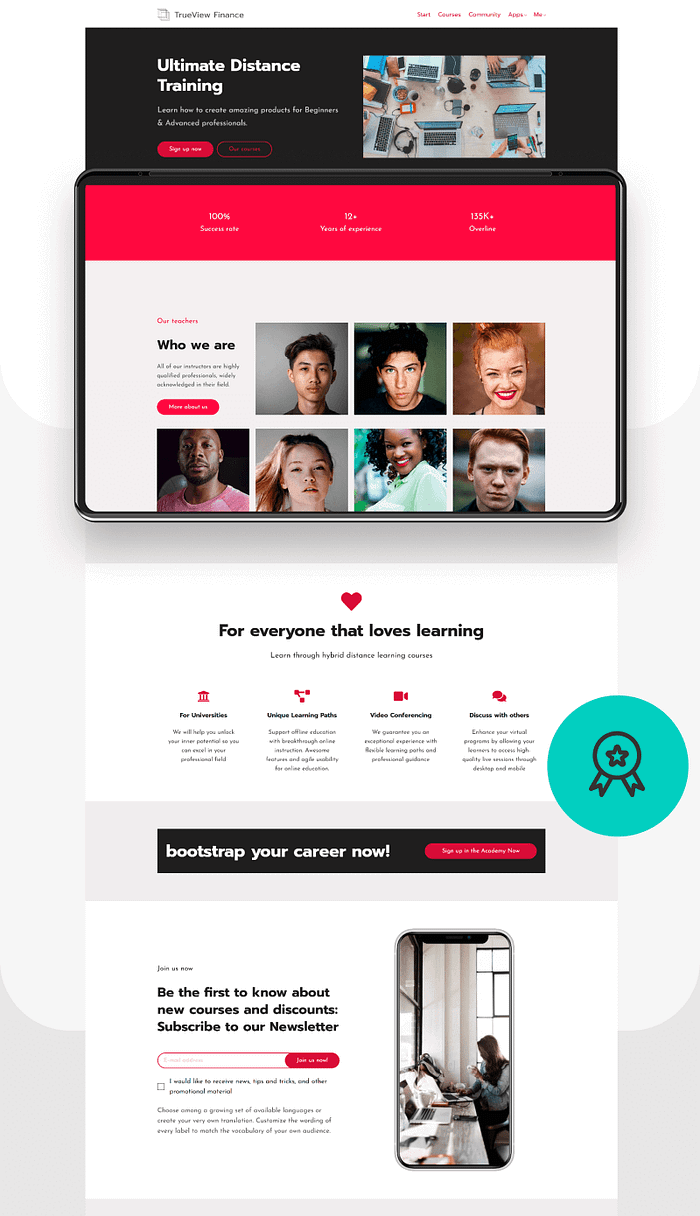
Step 6: Creating a High-Converting Sales Page
Our sales page is the digital storefront. To maximize conversions, it must:
- Clearly highlight learning outcomes and benefits.
- Showcase social proof — testimonials, reviews, and success stories.
- Use strong calls to action (CTAs) throughout the page.
- Present engaging visuals, course previews, and instructor credibility.
- Be mobile-optimized for seamless user experience.
A compelling headline, persuasive storytelling, and a clear value proposition turn visitors into buyers.
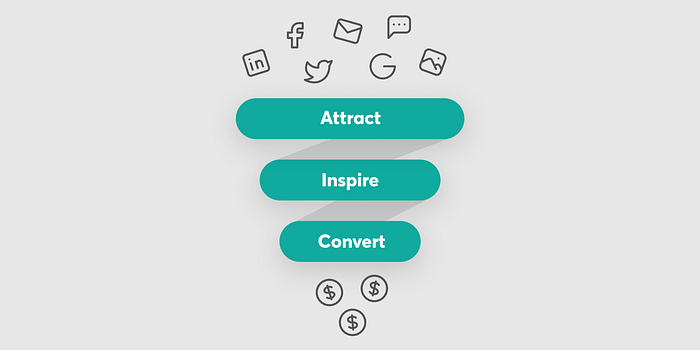
Step 7: Building a Powerful Marketing Funnel
Selling an online course requires a consistent marketing strategy. The most effective funnels include:
- Content Marketing — Blogs, YouTube videos, and podcasts to attract organic traffic.
- Search Engine Optimization (SEO) — Optimizing content for keywords like how to sell online courses or best online course platforms.
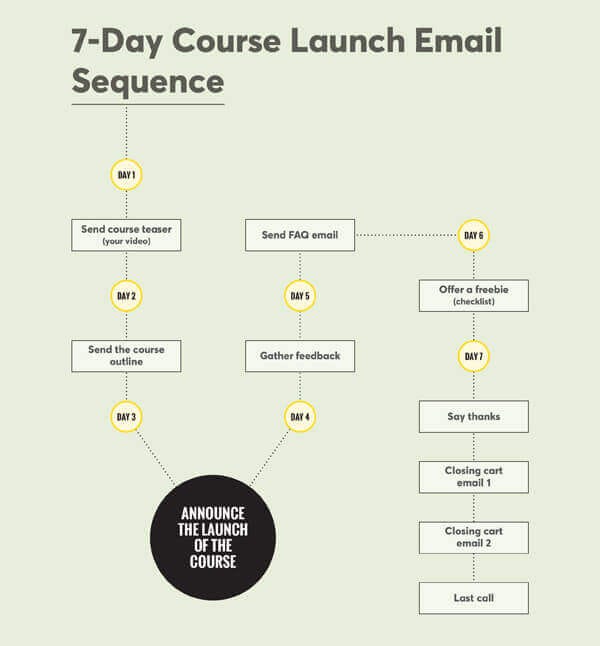
- Email Marketing — Lead magnets (ebooks, checklists) to build a subscriber list and nurture leads with value-driven sequences.
- Paid Advertising — Facebook, Instagram, and Google Ads targeting learners actively searching for solutions.
- Affiliate Marketing — Leveraging influencers or partners who promote the course for commission.
By combining these methods, we build predictable, scalable sales systems.
Step 8: Launching and Scaling the Course
A successful launch can set the stage for long-term growth. Strategies include:
- Running a pre-launch campaign with countdowns, sneak peeks, and bonuses.
- Offering limited-time discounts to encourage urgency.
- Hosting live webinars or challenges to convert warm leads.
- Collecting early testimonials to fuel future sales.
Once launched, scaling becomes the focus. We can expand by:
- Creating advanced or related courses to upsell.
- Building bundled packages for higher average order value.
- Adding coaching or consulting services for premium clients.
- Translating content into different languages to reach new markets.
Step 9: Building a Learning Community
Community-driven courses achieve higher completion rates and student satisfaction. We can build community by:
- Hosting discussion forums or private groups.
- Offering live Q&A sessions and interactive events.
- Encouraging peer-to-peer collaboration.
- Rewarding engagement with recognition or exclusive content.
A strong community creates loyalty, referrals, and repeat buyers.
Step 10: Continuous Improvement and Retention
An online course is never finished. To sustain sales, we must:
- Update content regularly to keep it relevant.
- Analyze student feedback to improve learning outcomes.
- Introduce new modules or bonuses to keep value high.
- Nurture alumni relationships with advanced offers, certifications, or events.
Retention and long-term engagement are as important as new sales.
Conclusion
Learnworlds is one of the most scalable and rewarding business models today. By choosing the right topic, validating demand, creating engaging content, pricing strategically, and marketing effectively, we can transform expertise into a thriving digital education business. With the right platform, community, and ongoing improvements, the potential to grow a profitable, impactful online course business is limitless.
Invest in Learnworlds today and take your business to the next level!